
Metabolic Health · Michigan Weight Loss Institute
Prediabetes Is a Warning Sign. The Good News Is It Can Often Be Reversed.
Prediabetes means your blood sugar is higher than normal but not yet in the diabetic range. At Michigan Weight Loss Institute, our prediabetes treatment helps patients lower blood sugar, address the root cause, and prevent type 2 diabetes through personalized medical care.
Understanding the Condition
What Is Prediabetes?
Prediabetes is a metabolic condition in which blood sugar is elevated, yet not high enough to be diagnosed as type 2 diabetes. It is usually defined by an A1c between 5.7 and 6.4 percent, or a fasting glucose between 100 and 125.
In most cases, prediabetes is driven by insulin resistance, where the body stops responding well to insulin. Because it often causes no symptoms, many people do not know they have it until routine blood work reveals a problem.
The encouraging news is that prediabetes is frequently reversible. With early, focused care, you can lower your blood sugar and reduce your risk. Effective prediabetes treatment in Michigan starts with finding and addressing the underlying cause.
Recognize the Signs
Signs and Symptoms of Prediabetes
Prediabetes is often silent. When signs do appear, they may include the following.
- Increased thirst
- Frequent urination
- Fatigue and low energy
- Increased hunger
- Blurred vision
- Weight gain around the abdomen
- Frequent sugar cravings
- Darkened skin folds (acanthosis nigricans)
Root Causes
What Causes Prediabetes?
Prediabetes usually develops from a mix of factors working together. None of them are a personal failing.
Insulin Resistance
The most common driver, where cells stop responding well to insulin.
Excess Body Fat
Fat around the organs interferes with healthy blood sugar control.
Sedentary Lifestyle
Inactive muscles use less sugar, which raises blood glucose.
Family History
A close relative with diabetes increases your risk.
Poor Sleep
Short or broken sleep disrupts blood sugar regulation.
Chronic Stress
Ongoing stress raises cortisol, which can raise blood sugar.
PCOS
Polycystic ovary syndrome is closely linked to insulin resistance.
Aging
Risk rises gradually with age, especially after 45.
Why It Matters
Health Risks Associated with Prediabetes
Left unaddressed, prediabetes can progress and raise the risk of several serious health problems. Treating it early helps protect your long-term health.
Type 2 Diabetes
Without changes, many people with prediabetes go on to develop diabetes.
Heart Disease
Elevated blood sugar contributes to inflammation and vascular damage.
Stroke
The same vascular changes raise the risk of stroke over time.
Fatty Liver Disease
Prediabetes is closely tied to MASLD. Learn more.
Metabolic Syndrome
A cluster of risk factors that often accompanies prediabetes.
Nerve Damage
Sustained high blood sugar can begin to affect the nerves.
Kidney Strain
The kidneys can be affected as blood sugar stays elevated.
Vision Problems
High blood sugar can affect the small vessels in the eyes.
Related conditions: Insulin Resistance, Type 2 Diabetes, Obesity, PCOS, Metabolic Syndrome, and Fatty Liver Disease (MASLD). Dedicated pages for these are part of our growing Conditions We Treat resource center.
Our Approach
How Michigan Weight Loss Institute Treats Prediabetes
Our prediabetes treatment is physician-led and built around your biology. Rather than focusing only on the scale, we work to restore healthy blood sugar through our medical weight loss program.
Comprehensive Metabolic Evaluation
We review your labs, history, and risk factors to understand the full picture.
Nutrition Counseling
Our nutrition counseling helps stabilize blood sugar and reduce insulin spikes.
Medical Weight Management
Even modest weight loss can meaningfully lower blood sugar and reverse prediabetes.
Lifestyle Modification
We address sleep, stress, and daily habits that influence your metabolism.
Physical Activity Planning
Movement helps muscles use sugar and improves insulin sensitivity.
GLP-1 and GIP Therapies
When appropriate, GLP-1 and GIP medications can support metabolic health.
Prescription Medications
Other weight loss medications may support your plan when clinically appropriate.
Long-Term Monitoring
We track your A1c and progress over time and adjust your plan as needed.
Why Patients Choose Us
Why Choose Michigan Weight Loss Institute?
Board-Certified Expertise
Dr. Rita Kathawa is double board-certified in Internal Medicine and Obesity Medicine.
Comprehensive Metabolic Evaluation
We look beyond weight to the full metabolic picture behind it.
Personalized Treatment Plans
Every plan is built around your biology, history, and goals.
Long-Term Prevention Focus
We work to prevent diabetes and protect lasting wellness.

Meet Dr. Rita Kathawa
As founder of Michigan Weight Loss Institute, Dr. Kathawa is double board-certified in Internal Medicine and Obesity Medicine. She leads each patient’s metabolic care with an evidence-based, prevention-focused approach. Learn more about Dr. Kathawa.
Common Questions
Frequently Asked Questions
What is prediabetes?
Prediabetes means your blood sugar is higher than normal but not yet in the diabetic range. It is usually an A1c between 5.7 and 6.4 percent and is often driven by insulin resistance.
Can prediabetes be reversed?
In many cases, yes. Nutrition changes, activity, weight loss, and medication when needed can lower blood sugar and return it to a healthy range, especially when started early.
What are the symptoms of prediabetes?
Most people have no symptoms. When present, signs can include increased thirst, frequent urination, fatigue, and blurred vision. A blood test is the most reliable way to know.
Is prediabetes the same as diabetes?
No. Prediabetes is an earlier stage with lower blood sugar levels. Without changes, it can progress to type 2 diabetes, but it is often reversible before that happens.
What A1c level indicates prediabetes?
An A1c between 5.7 and 6.4 percent generally indicates prediabetes. An A1c of 6.5 percent or higher is in the diabetes range. Your physician will interpret your full results.
Does weight loss help prediabetes?
Often, yes. Even a modest reduction in excess weight can significantly lower blood sugar and improve insulin sensitivity, which helps reverse prediabetes.
Do GLP-1 medications help prediabetes?
GLP-1 and GIP medications can improve metabolic health and support weight loss, which in turn can lower blood sugar. A physician determines whether they fit your plan.
How often should I be tested?
This depends on your risk factors and results. Many adults benefit from regular screening, and your physician will recommend a testing schedule that fits your situation.
Take Control of Your Blood Sugar
If you struggle with weight gain, elevated blood sugar, PCOS, or other metabolic health concerns, Michigan Weight Loss Institute can help identify the underlying causes and develop a personalized treatment plan.
Request a ConsultationWhere to Start
Prediabetes Care in Macomb and Oakland County
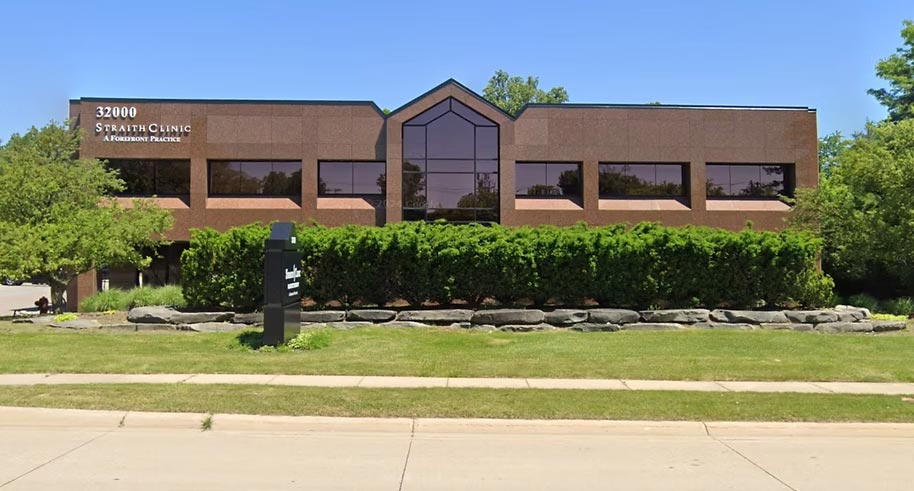
Reversing prediabetes depends on consistent follow-up rather than a single appointment, so choose the office you will actually get to. Sterling Heights is on Dequindre Road with weekday hours. Bingham Farms is on Telegraph Road, minutes from Southfield and Birmingham.
Explore More