
At Michigan Weight Loss Institute, Dr. Rita Kathawa, MD specializes in the medical management of bariatric surgery patients. Her primary focus is comprehensive pre-operative preparation and long-term post-operative care. As a board-certified obesity medicine and internal medicine physician, Dr. Kathawa’s core expertise is ensuring that patients are physically and medically ready for surgery and that they maintain lasting results after the procedure. MWLI does not perform surgery on-site. Instead, Dr. Kathawa works alongside accredited surgical partners across Metro Detroit to provide the physician-led medical oversight that determines whether surgery is safe, appropriate, and successful for each individual.
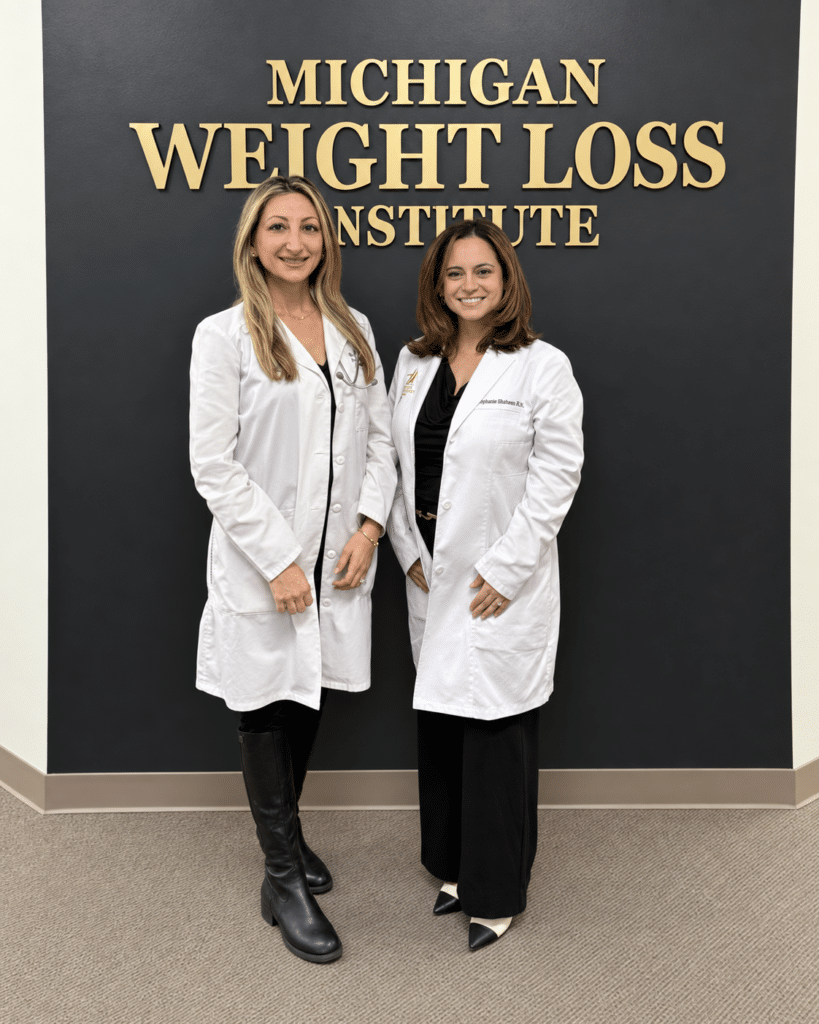
Dr. Kathawa’s Focus: Pre & Post-Op Care for Bariatric Surgery Patients
Bariatric surgery is a powerful tool — but the medical care surrounding the procedure determines long-term success. Dr. Kathawa’s practice rests on two pillars: preparing patients thoroughly before surgery and supporting them closely after surgery. This includes the full medical evaluation and clearance process, nutritional preparation, and a robust post-operative follow-up program designed to protect patients’ results for life.
MWLI coordinates with affiliated bariatric surgeons at accredited Metro Detroit facilities. Visit Dr. Kathawa’s profile for a full list of surgical partners.
Pre-Operative Care: Getting You Ready for Surgery
A successful surgical outcome begins long before you enter the operating room. Dr. Kathawa leads a thorough pre-operative process to optimize your health, satisfy insurance and surgical requirements, and set the foundation for lasting weight loss. The MWLI pre-op process includes:
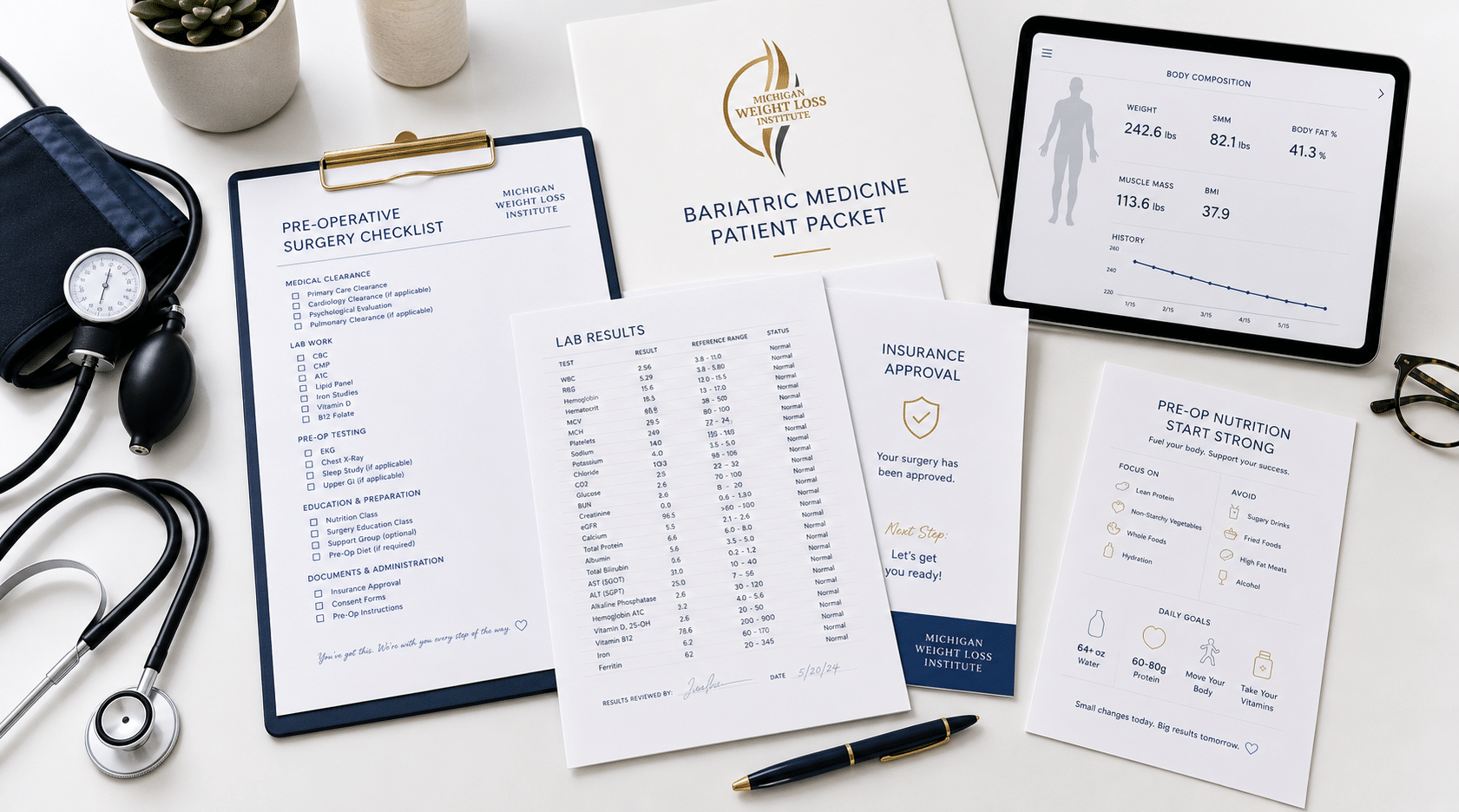
Comprehensive medical evaluation — review of your health history, medications, and surgical risk factors
Pre-operative medical clearance — physician-guided clearance and surgical coordination
Laboratory and diagnostic workup — labs and screening for obesity-related conditions
Nutritional preparation — in-house nutrition counseling before surgery
Psychological screening — completed if required
Insurance prior authorization — documentation and submission for insurance approval
Surgical referral — coordination with your surgical partner and procedure team
Most patients complete the pre-op process in four to eight weeks, depending on insurance requirements and individual health factors. Dr. Kathawa keeps the process streamlined and keeps you informed at every step.
Post-Operative Care: Dr. Kathawa’s Primary Specialty
Post-operative care is where Dr. Kathawa’s practice truly excels. Long-term success after bariatric surgery depends on ongoing, proactive medical management. Dr. Kathawa delivers exactly that. MWLI’s post-operative program includes regular follow-up visits with Dr. Kathawa and Physician Assistant Stephanie Shaheen, PA-C, lab work at standard post-op intervals, ongoing nutrition and lifestyle monitoring, and early intervention when weight regain occurs.
Dr. Kathawa’s post-op program supports patients for life — not just the first year after surgery. Patients have access to MWLI’s full clinical toolkit, including GLP-1 medication management, behavior modification support, metabolic re-evaluation, and revisional surgery assessment when appropriate.
Dr. Kathawa’s Specialization: Weight Regain Prevention After Bariatric Surgery
Weight regain after bariatric surgery is Dr. Kathawa’s primary area of specialization. It is far more common than most people realize — and it is not a personal failure. Weight regain is a medical issue that requires a medical response. Dr. Kathawa built her practice around identifying and addressing the underlying causes before regain becomes significant.
Dr. Kathawa takes a proactive, individualized approach to weight regain prevention. Rather than waiting for a patient to regain significant weight, she monitors metabolic markers, dietary patterns, and weight trends at every post-op visit. When early signs of regain appear, she intervenes promptly with the most appropriate treatment — whether that is nutritional re-evaluation, GLP-1 therapy, medication adjustment, or a referral for revisional surgery assessment.
Her approach includes:
- Routine post-op metabolic monitoring to track weight trends, nutritional status, and hormone levels that influence long-term weight maintenance
- Early identification of weight regain so that intervention can begin before significant regain occurs
- GLP-1 receptor agonist therapy such as semaglutide or tirzepatide for post-surgical patients who plateau or regain weight — surgery and GLP-1 therapy work well together
- Nutrition and lifestyle re-evaluation to identify behavioral or dietary patterns contributing to regain
- Revisional bariatric surgery assessment for patients who experienced significant regain or inadequate results from a prior procedure
If you had bariatric surgery and are concerned about weight regain, Dr. Kathawa is the physician to see. Whether you are just starting to see the scale move up or have been struggling for years, MWLI will identify what is driving the regain and build a personalized plan to get your results back on track.
Bariatric Surgery Procedures We Evaluate and Support
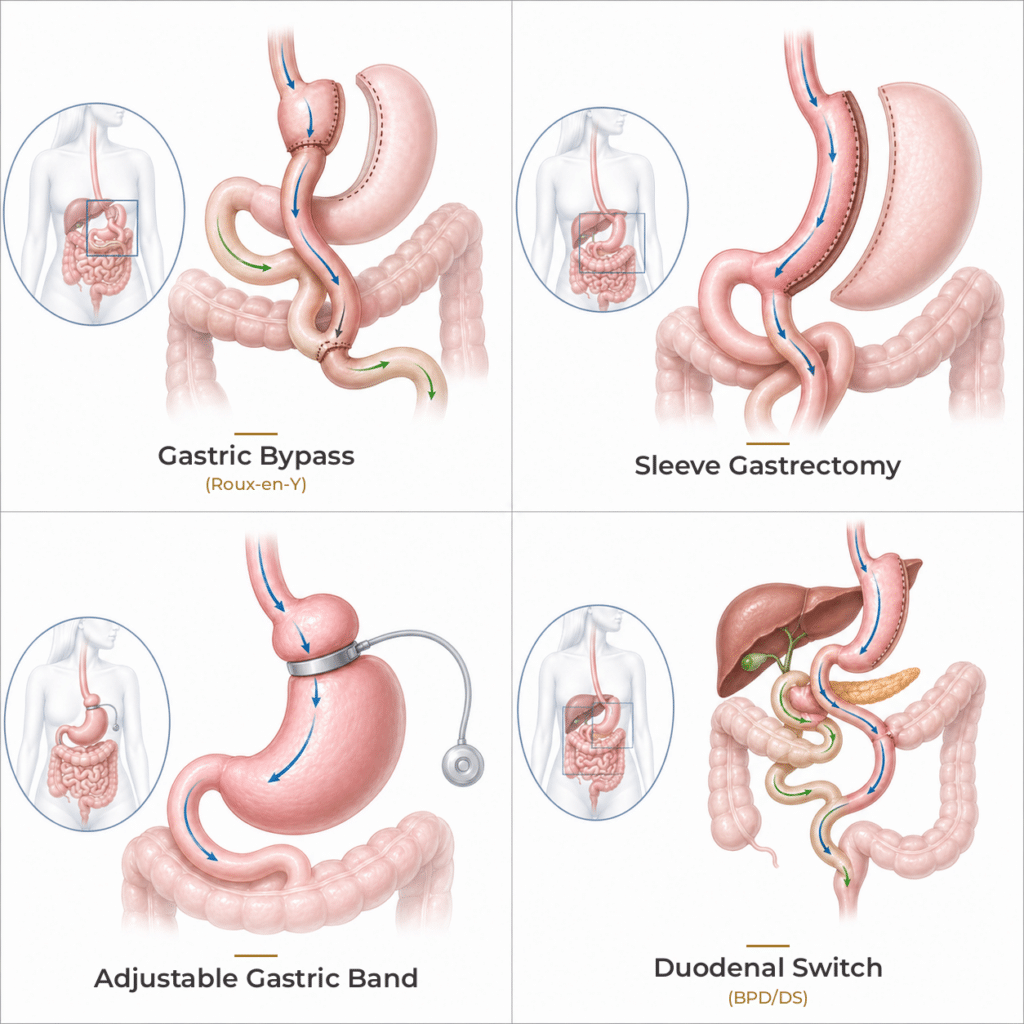
Dr. Kathawa provides pre- and post-operative care for patients undergoing or who have already undergone the following bariatric procedures:
Sleeve Gastrectomy — Surgeons reduce the stomach to a sleeve-shaped tube, limiting food intake and reducing hunger hormones. This is currently the most commonly performed bariatric procedure and produces substantial, lasting weight loss in most patients.
Gastric Bypass (Roux-en-Y) — Surgeons create a small stomach pouch and reroute the digestive tract to bypass part of the small intestine. This produces significant weight loss and often leads to rapid improvement in type 2 diabetes and blood pressure.
Duodenal Switch (BPD/DS and SADI-S) — Surgeons combine a sleeve gastrectomy with a bypass of a large portion of the small intestine. It produces the greatest long-term weight loss of any bariatric procedure, along with the highest rates of type 2 diabetes remission. It also carries the highest nutritional demands, so patients need lifelong supplementation and close lab monitoring. Dr. Kathawa provides that monitoring.
Revisional Bariatric Surgery — For patients who had a prior bariatric procedure and experienced weight regain, complications, or inadequate results. Dr. Kathawa manages all evaluation and pre-operative preparation for revision cases in-house.
Adjustable Gastric Band and Other Procedures — Less commonly performed today but still appropriate for select patients. Dr. Kathawa reviews your full history and goals to determine whether this or another procedure is the right fit.
Frequently Asked Questions
Who is a candidate for bariatric surgery?
Surgery is generally appropriate for patients with a BMI of 40 or higher, or a BMI of 35 or higher with at least one obesity-related health condition such as type 2 diabetes, hypertension, or sleep apnea. However, BMI alone does not determine candidacy. Your full health history, prior weight loss efforts, medications, and personal goals all factor into the assessment. The best way to find out is to schedule a consultation with Dr. Kathawa.
Does insurance cover bariatric surgery?
Many major insurance plans cover bariatric surgery when patients meet medical criteria. MWLI supports the prior authorization process, including clinical documentation, letters of medical necessity, and carrier follow-up.
Does MWLI perform the surgery?
No. MWLI provides the medical evaluation, pre-operative clearance, nutritional preparation, and post-operative support. Our affiliated bariatric surgeons perform the procedure at accredited Metro Detroit facilities. Dr. Kathawa’s role is to ensure you are medically ready before surgery and well-supported after.
What if I already had bariatric surgery and am regaining weight?
Weight regain after bariatric surgery is one of the most common reasons patients come to MWLI — and it is exactly what Dr. Kathawa specializes in. Whether you had surgery years ago or more recently, MWLI offers a full evaluation to identify the cause of regain and a personalized treatment plan to address it. Options may include GLP-1 therapy, nutrition support, metabolic re-evaluation, and revisional surgery assessment. You do not have to manage this alone.
I had a duodenal switch. Can MWLI manage my follow-up care?
Yes. MWLI cares for duodenal switch patients, including both the traditional BPD/DS and the newer SADI-S procedure. The duodenal switch changes how your body absorbs protein, fat, and fat-soluble vitamins. Because of that, consistent follow-up matters more with this procedure than with any other. Dr. Kathawa monitors protein status, iron, calcium, vitamin B12, and vitamins A, D, E, and K at regular intervals. She then adjusts your supplement plan based on your results. She also treats weight regain after a duodenal switch, which does happen even after this surgery. You do not need to have had your original procedure through an affiliated surgeon. Many MWLI post-op patients arrive years after surgery, often once their original program has ended.
Is a GLP-1 medication an alternative to surgery?
For many patients, yes. GLP-1 receptor agonists such as semaglutide (Wegovy, Ozempic) and tirzepatide (Zepbound, Mounjaro) can produce significant weight loss without surgery. MWLI’s in-house pharmacist and clinical team evaluate whether medication management is the right first step, a complement to surgery, or the primary treatment plan. For post-surgical patients experiencing regain, GLP-1 therapy is often an effective addition to their care.