
Obesity Medicine · Michigan Weight Loss Institute
Obesity Is a Chronic Disease. Effective Treatment Starts with Understanding the Root Cause.
At Michigan Weight Loss Institute, we provide physician-led obesity treatment in Michigan through individualized medical evaluation, nutrition and lifestyle support, FDA-approved medications when appropriate, and ongoing monitoring.
Understanding the Condition
What Is Obesity?
The CDC describes obesity as a complex chronic disease. Biological, behavioral, social, environmental, and medical factors interact to shape it. In other words, it is not a measure of character or willpower.
Genes and family history may affect appetite, activity, and how much fat the body stores. They also shape where the body carries that fat. In addition, sleep, medications, health conditions, stress, food access, and daily routines may affect weight.
Because the causes differ from person to person, a personalized plan works best. That plan may include nutrition, physical activity, behavioral support, medication, and other therapies when clinically appropriate. Therefore, evaluation begins by identifying the factors and health complications that matter most for you.
Root Causes
What Causes Obesity?
Multiple factors influence obesity, and they often overlap. The National Institute of Diabetes and Digestive and Kidney Diseases highlights lifestyle, environment, sleep, medicines, health conditions, family history, and genes among the factors that may affect weight.
Genetics
Inherited traits shape appetite and metabolism, so they also affect how readily the body stores fat.
Health Conditions
Conditions such as hypothyroidism, Cushing’s syndrome, and PCOS may contribute to weight gain in some patients.
Insulin Resistance
Insulin resistance commonly occurs alongside obesity, and it can also affect glucose regulation and metabolic health.
Menopause
At the same time, hormonal and age-related changes may affect body composition and fat distribution, along with sleep, activity, and other factors.
Sleep
Research links short or poor-quality sleep to weight gain. It may also affect hunger and food choices.
Chronic Stress
Similarly, long-term stress may influence sleep, appetite, eating patterns, and other behaviors that affect weight.
Certain Medications
For example, some antidepressants, antipsychotics, corticosteroids, diabetes medicines, and blood-pressure medicines may contribute to weight gain.
Environment
Likewise, food access, daily routines, and activity levels all affect long-term weight.
Why Treatment Matters
Health Risks Associated with Obesity
Research links obesity to a higher risk for several serious health conditions, such as type 2 diabetes, high blood pressure, abnormal blood lipids, heart disease, stroke, obstructive sleep apnea, MASLD, and some cancers. Individual risk varies.
Prediabetes
Blood sugar runs higher than normal, a warning sign that often precedes diabetes.
Type 2 Diabetes
Because of excess fat and insulin resistance, blood sugar can climb into the diabetic range.
High Blood Pressure
Added weight makes the heart work harder, so pressure inside the arteries rises.
High Cholesterol
Obesity also often shifts cholesterol and triglycerides in an unhealthy direction.
Heart Disease
As a result, these combined factors increase the risk of heart attack and stroke over time.
Sleep Apnea
While you sleep, excess weight around the neck and airway can interrupt breathing.
Fatty Liver Disease
Doctors call fat buildup in the liver MASLD, and it closely tracks with obesity. Learn more.
PCOS
Polycystic ovary syndrome and insulin resistance also frequently occur alongside obesity.
Related conditions: Insulin Resistance, Prediabetes, Type 2 Diabetes, PCOS, Menopause Weight Gain, and Fatty Liver Disease (MASLD). Our growing Conditions We Treat resource center also includes dedicated pages for these conditions.
Our Approach
How We Treat Obesity at Michigan Weight Loss Institute
Our obesity treatment in Michigan is physician-led and personalized, and it focuses on results you can keep. Rather than a one-size-fits-all diet, we build a plan around your biology, history, and goals through our physician-led medical weight loss program in Michigan.
Medical Evaluation
First, we review your health history, medications, laboratory results, weight-related complications, and other factors that may affect weight and treatment decisions.
Nutrition Counseling
Our nutrition counseling helps you build an eating pattern you can live with, instead of another crash diet.
Lifestyle and Behavioral Support
We also address sleep, stress, movement, and habits that quietly shape your results.
Prescription Weight Loss Medications
When clinically appropriate, FDA-approved medications can support appetite control and metabolic health.
GLP-1 and GIP Therapies
GLP-1 and GIP medications may be options within a supervised plan when clinically appropriate.
Long-Term Follow-Up
Finally, we monitor progress, adjust your plan, and support you well beyond the first few pounds.
Evidence-Based Options
Weight Loss Medications
For some patients, your physician may also consider FDA-approved weight-management medications as part of full care. A 2026 American College of Physicians living guideline recommends shared decision-making that considers potential benefits, harms, contraindications, health conditions, goals, cost, access, and patient preferences.
Semaglutide
A GLP-1 receptor agonist that carries FDA approval for specific weight-management uses. However, eligibility, benefits, and risks require an individual evaluation. Learn more.
Tirzepatide
A medication that activates GIP and GLP-1 receptors and carries FDA approval for specific weight-management uses. However, eligibility, benefits, and risks require an individual evaluation. Learn more.
Other FDA-Approved Options
In addition, other weight loss medications may suit your needs, history, and goals.
During your evaluation, our physician determines whether medication is appropriate and which option may fit your health profile. Medical supervision also supports screening, monitoring, dose changes, and care for side effects. For eligible patients, our Medicare GLP-1 Bridge Program helps maintain access to therapy.
Why Patients Choose Us
Why Choose Michigan Weight Loss Institute?
Board-Certified Expertise
Dr. Rita Kathawa is double board-certified in Internal Medicine and Obesity Medicine.
Personalized Treatment Plans
We build every plan around your biology, history, and goals, never a template.
Evidence-Based Care
We use individualized, guideline-informed care, including FDA-approved medications when clinically appropriate.
Long-Term Health Focus
Instead of quick fixes, we treat the whole patient and support lasting results.

Meet Dr. Rita Kathawa
As founder of Michigan Weight Loss Institute, Dr. Kathawa is double board-certified in Internal Medicine and Obesity Medicine. She leads every patient’s obesity treatment in Michigan with evidence-based care and a long-term focus. Learn more about Dr. Kathawa.
Common Questions
Frequently Asked Questions
Is obesity considered a disease?
Yes. The CDC describes obesity as a complex chronic disease influenced by many factors. Treatment should fit the individual, so it may include nutrition, physical activity, behavioral support, medication, or other therapies when appropriate.
Can obesity be caused by hormones?
Some health conditions, including hypothyroidism, Cushing’s syndrome, and PCOS, may contribute to weight gain. Therefore, a medical evaluation can assess symptoms, medications, health conditions, and other relevant factors.
Will insurance cover obesity treatment?
Coverage varies by plan and service. Some plans cover certain visits, labs, and medications, while others do not. Our team can help you understand your benefits and explore your options.
Are weight loss medications safe?
All prescription weight-management medications carry potential benefits, side effects, warnings, and reasons some patients should not take them. Therefore, we review your health history and current medications, discuss risks and alternatives, and monitor treatment whenever we prescribe medication.
How much weight can patients lose?
Results vary by individual, medication, treatment plan, health conditions, and how closely you follow the plan. So your physician will discuss realistic, health-focused goals and monitor your response over time.
Do I need medication to lose weight?
Not always. In fact, some patients succeed with nutrition, lifestyle changes, and close support. Medication is one tool among several, and we recommend it only when it fits your needs and goals.
What if I have already tried multiple diets?
In fact, prior weight-loss attempts can provide useful information about barriers, preferences, and treatment response. So a medical evaluation can help identify health conditions, medications, sleep, stress, nutrition, activity, and other factors that may affect weight.
Last reviewed: August 14, 2026.
Where to Start
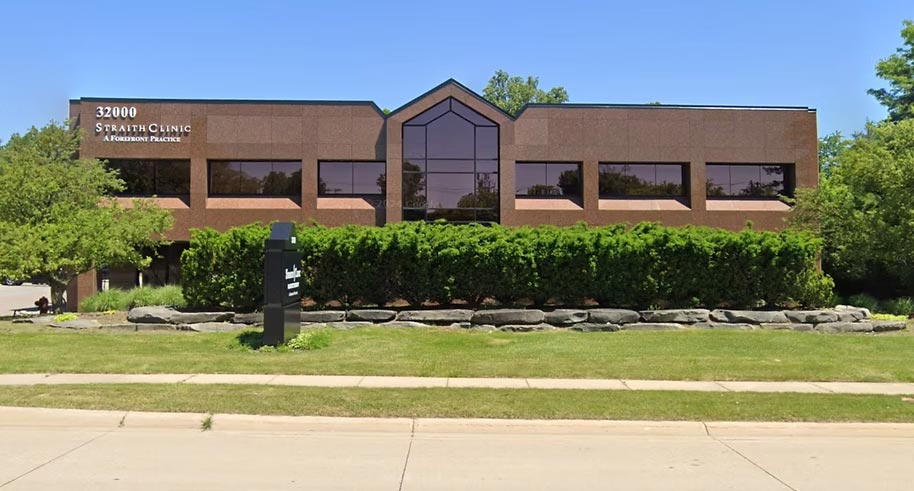
Obesity Treatment in Sterling Heights and Bingham Farms
Obesity is a chronic condition, which means the office you choose is one you will visit for a long time. Our Sterling Heights clinic serves Macomb County from Dequindre Road with weekday hours. Our Bingham Farms clinic serves Oakland County from Telegraph Road.
Take the First Step Toward Better Health
If you are struggling with obesity, weight gain, or related health conditions, Michigan Weight Loss Institute can help you identify the underlying causes and build a personalized plan for obesity treatment in Michigan.
Schedule a ConsultationExplore More