
Lipedema: Symptoms, Diagnosis & Treatment Options
Symptoms, diagnosis, and treatment options, explained by a physician-led obesity medicine team.
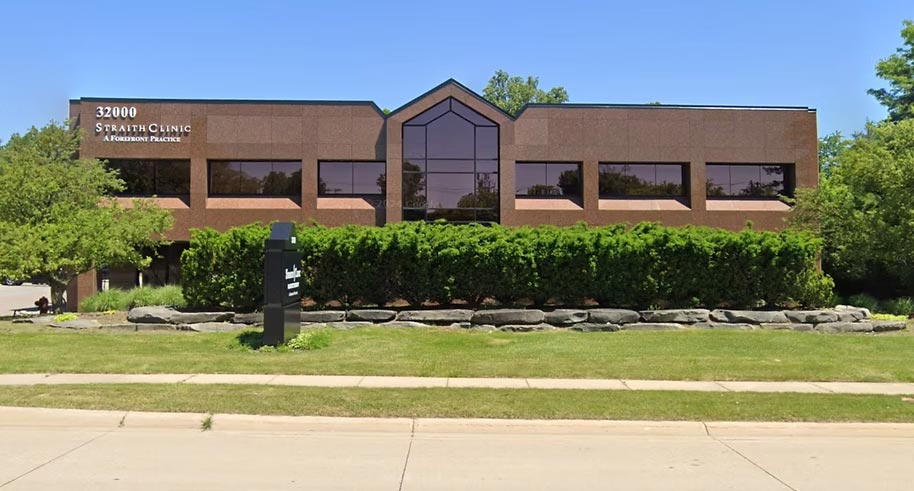
If your legs feel heavy, tender, or look disproportionate to the rest of your body, you may be dealing with lipedema rather than ordinary weight gain. Michigan Weight Loss Institute provides comprehensive lipedema evaluation and physician-led care under Dr. Rita Kathawa, MD, who is double board-certified in Internal Medicine and Obesity Medicine. We see patients across Metro Detroit at our Sterling Heights and Bingham Farms locations.
On This Page
- What Is Lipedema?
- Common Signs & Symptoms
- Lipedema vs Obesity vs Lymphedema
- Why It’s Often Misdiagnosed
- How We Evaluate Lipedema
- Medical Weight Management
- Nutrition & Lifestyle
- Exercise Recommendations
- Compression & Conservative Care
- GLP-1 Medications & Lipedema
- Stages of Lipedema
- Frequently Asked Questions
- Why Choose MWLI
- Schedule a Consultation
What Is Lipedema?
Lipedema is a chronic adipose (fat) tissue disorder. It causes symmetrical, disproportionate, and often painful fat to build up in the legs, hips, buttocks, and sometimes the arms. The condition almost always affects women, and it frequently appears or worsens during times of hormonal change such as puberty, pregnancy, or menopause.
Importantly, lipedema is not caused by overeating or a lack of willpower. The affected fat behaves differently from ordinary fat, and it typically resists diet and exercise. Because of this, many women feel frustrated for years before they finally receive an accurate diagnosis. Effective lipedema treatment in Michigan therefore starts with recognizing the condition for what it is.
Key point: Lipedema is a recognized medical condition, not simply “stubborn weight.” According to the Cleveland Clinic, lipedema fat does not respond to diet and exercise the way typical fat does, which is why a tailored, physician-led approach matters.
Common Signs and Symptoms
Generally, lipedema symptoms follow a recognizable pattern. While every patient is different, the following signs appear often:
The legs and hips look noticeably larger than the waist and upper body, creating an uneven silhouette that does not respond to diet.
Both legs (or both arms) are affected equally, rather than one side only, which distinguishes it from lymphedema.
The affected areas often feel sore, achy, or sensitive to pressure, even from light touch or clothing.
Small bumps can cause significant bruising because blood vessels in affected tissue are more fragile.
Fat stops abruptly at the ankles or wrists, so the feet and hands stay unaffected, a hallmark feature of lipedema.
The limbs may feel heavy, especially at the end of the day, and swelling can increase with heat or prolonged standing.
If several of these signs sound familiar, a professional lipedema evaluation can provide clarity. Early recognition matters, because timely lipedema management helps protect joint health and quality of life.
Lipedema vs Obesity vs Lymphedema
These three conditions are often confused, yet they are distinct. Therefore, understanding the differences helps explain why a one-size-fits-all weight loss plan rarely works for lipedema.
| Feature | Lipedema | Obesity | Lymphedema |
|---|---|---|---|
| Primary Issue | Abnormal fat tissue disorder | Excess body fat from energy imbalance | Fluid buildup from lymphatic dysfunction |
| Distribution | Symmetrical; legs, hips, arms | Generalized across the body | Often one limb; can be asymmetric |
| Feet & Hands | Spared (cuff sign) | May be involved | Frequently swollen |
| Pain | Common and characteristic | Usually absent | Variable |
| Response to Diet | Affected fat resists diet | Responds to diet and exercise | Not primarily fat-related |
It is also important to know that these conditions can overlap. Importantly, many patients have both obesity and lipedema, and advanced lipedema can lead to secondary lymphedema (sometimes called lipo-lymphedema). As a result, an accurate diagnosis often requires a careful, experienced eye.
Not sure whether you’re dealing with lipedema, obesity, or another condition? We can help. Request an evaluation to understand what’s really going on.
Why Lipedema Is Often Misdiagnosed
In fact, lipedema remains underrecognized, even among medical professionals. Consequently, many women are simply told to eat less and move more, advice that does not address the underlying disorder. This pattern can continue for years and often leads to discouragement.
Several factors contribute to misdiagnosis:
- Symptom overlap: lipedema can resemble obesity or lymphedema at first glance.
- Limited awareness: the condition receives little attention in general medical training.
- No single lab test: because diagnosis is clinical, it depends on an informed physical exam and history.
- Weight bias: disproportionate legs are too often dismissed as a lifestyle issue.
However, a clinician familiar with the condition can recognize the pattern quickly. That is exactly why specialized lipedema treatment in Michigan begins with a knowledgeable evaluation rather than assumptions.
How We Evaluate Your Symptoms
Because there is no single blood test or scan that confirms lipedema, diagnosis is clinical. In other words, it relies on a thorough history and physical examination performed by a physician who understands the condition. At Michigan Weight Loss Institute, a lipedema evaluation typically includes the following steps.
Medical Weight Management for Lipedema
There is currently no known cure for lipedema. However, treatment can meaningfully improve symptoms, mobility, and quality of life. Because many patients also live with obesity or metabolic conditions, medical weight management often plays a central role in a comprehensive plan.
Therefore, it is worth setting realistic expectations. Weight loss does not erase lipedema fat, and it should never be framed as a “fix” for the disorder. Even so, reducing excess non-lipedema weight can ease pressure on the joints, reduce inflammation, and support better overall health.
About Dr. Rita Kathawa, MD: Dr. Kathawa is double board-certified in Internal Medicine and Obesity Medicine. Learn more about Dr. Kathawa and her approach to metabolic health, which treats not just weight but the full range of conditions that often accompany it.
Our Medical Weight Loss Program provides physician supervision, lab monitoring, and ongoing support throughout this process.
Nutrition and Lifestyle Strategies
Nutrition will not cure lipedema, yet it remains a valuable part of overall management. A thoughtful, anti-inflammatory eating pattern can support metabolic health, help manage co-existing obesity, and reduce some of the swelling and discomfort that patients describe.
Helpful, evidence-informed strategies often include:
- Anti-inflammatory foods: vegetables, fruits, lean proteins, and healthy fats.
- Reduced ultra-processed foods: fewer refined carbohydrates and added sugars.
- Adequate hydration: water supports circulation and overall comfort.
- Sodium awareness: moderating salt may help limit fluid retention for some patients.
Because individual needs vary, personalized guidance works best. Our nutrition counseling services help you build a sustainable plan rather than a restrictive crash diet, which is especially important when lipedema is involved.
Exercise Recommendations for Lipedema
Movement is genuinely beneficial for lipedema, even though exercise alone will not remove the affected fat. Gentle, low-impact activity supports lymphatic flow, joint health, and mood. Moreover, water-based exercise is a favorite for many patients because the water provides natural compression and reduces strain.
Buoyancy eases pressure while you move, making water the ideal environment for lipedema-friendly exercise.
Accessible, steady, and easy to build into a daily routine. Even short walks support lymphatic circulation.
Supports the legs while improving circulation without placing excessive load on the joints.
Gentle resistance work helps maintain muscle and mobility. Start slowly and increase gradually.
Above all, consistency matters more than intensity. Above all, starting slowly and increasing gradually helps you stay comfortable and avoid flare-ups.
Compression and Conservative Care
Conservative therapies form the backbone of lipedema management. Specifically, they aim to reduce discomfort, control swelling, and preserve function over time. Although these measures do not cure the condition, they often make a real difference in daily life.
Medical-grade compression garments can reduce swelling, support the limbs, and ease the heavy, achy feeling many patients report. Of course, a clinician helps you select the right fit and pressure level.
This specialized, gentle massage technique can help move excess fluid, particularly when secondary lymphedema is present. It is often combined with compression for greater benefit.
In addition, skin care, elevation, and movement all complement these therapies. Together, this combination, sometimes called complete decongestive therapy, represents a well-established, conservative approach to lipedema care.
GLP-1 Medications and Lipedema
Many patients ask whether GLP-1 medications can help with lipedema. However, the honest answer requires some nuance. GLP-1 receptor agonists are not FDA-approved specifically for lipedema, and they do not selectively remove lipedema fat. Therefore, they are not a standalone lipedema treatment.
That said, GLP-1 therapy may still be appropriate for some patients. In particular, individuals who also have obesity or metabolic disease alongside lipedema may benefit from improved metabolic health and reduction of excess non-lipedema weight. Therefore, any decision about medication should follow a full medical evaluation.
Considering your options? Our physician will discuss whether GLP-1 therapy fits your overall plan. Read more about GLP-1 weight loss medications in Michigan, and reach out to schedule an evaluation.
GLP-1 medications must be prescribed and monitored by a qualified physician. In addition, our program includes lab work, regular follow-up, and honest guidance about what these medications can and cannot do. Learn more on our weight loss medications page.
Stages of Lipedema
Generally, clinicians describe lipedema in stages, which reflect how the skin and tissue change over time. Stages help guide treatment, although they do not perfectly predict symptoms. In fact, some people have significant pain even at an early stage.
Some clinicians also describe a later phase in which lipedema and lymphedema occur together, sometimes called lipo-lymphedema. Regardless of stage, earlier evaluation gives you more options, so it is wise not to wait.
Frequently Asked Questions About Lipedema Treatment in Michigan
Understanding Lipedema
What is lipedema?
How do I know if I have lipedema?
Is lipedema the same as obesity?
Diagnosis, Treatment, and Coverage
Can lipedema be cured?
Do GLP-1 medications treat lipedema?
Why is lipedema so often misdiagnosed?
Where can I find lipedema treatment in Michigan?
Does insurance cover lipedema treatment?
Why Choose Michigan Weight Loss Institute for Lipedema Treatment
Choosing the right team makes a real difference when a condition is as misunderstood as lipedema. Patients across Metro Detroit choose Michigan Weight Loss Institute for several reasons:
Related Services
Explore additional physician-led weight loss and metabolic health services available through Michigan Weight Loss Institute.
Where to Start
Lipedema Evaluations at Both Michigan Offices
Lipedema is frequently missed for years, so getting evaluated is the step that matters. We see patients at our Sterling Heights clinic on Dequindre Road in Macomb County and at our Bingham Farms clinic on Telegraph Road in Oakland County.
Ready to Get Answers?
Schedule a lipedema evaluation with Dr. Rita Kathawa, MD, at our Sterling Heights or Bingham Farms location. We’ll help you understand what’s really going on and build a plan that fits your life.