
Metabolic Health · Michigan Weight Loss Institute
High Blood Pressure and Weight Are Deeply Connected.
Excess weight is one of the most common and treatable causes of high blood pressure. At Michigan Weight Loss Institute, our high blood pressure treatment focuses on medical weight loss, helping you protect your heart while working alongside your primary care physician.
Understanding the Condition
What Is High Blood Pressure?
Blood pressure is the force of blood pushing against the walls of your arteries. When that force stays too high over time, it is called high blood pressure, or hypertension. It is generally defined as a reading at or above 130 over 80.
Carrying excess weight makes the heart work harder and can stiffen blood vessels, both of which raise blood pressure. Because of this, weight is one of the most powerful levers for improving it.
The encouraging news is that losing even a modest amount of weight can lower blood pressure. Effective high blood pressure treatment in Michigan often pairs medical weight management with the care of your primary physician.
Recognize the Signs
Signs and Symptoms of High Blood Pressure
High blood pressure is often called the silent condition because it usually causes no symptoms. When signs do appear, they may include the following.
- Often no symptoms at all
- Occasional headaches
- Shortness of breath
- Dizziness
- Chest discomfort
- Fatigue
- Vision changes
- Facial flushing
- Pounding in the chest or neck
- Nosebleeds in severe cases
The Weight Connection
How Weight Affects Blood Pressure
Several factors contribute to high blood pressure, and weight is one of the most important. None of them are a personal failing.
Excess Weight
Extra weight makes the heart work harder to circulate blood.
Insulin Resistance
Metabolic dysfunction can raise blood pressure over time.
High Sodium Intake
Too much salt causes the body to hold extra fluid.
Sedentary Lifestyle
Low activity is linked to higher blood pressure.
Chronic Stress
Ongoing stress can elevate blood pressure.
Poor Sleep
Sleep apnea and poor sleep are strongly tied to hypertension.
Family History
Genetics and family history raise your risk.
Alcohol and Aging
Heavy drinking and older age both increase risk.
Why It Matters
Health Risks of Untreated High Blood Pressure
High blood pressure quietly damages the body over time. When it is not addressed, it raises the risk of several serious conditions.
Heart Disease
Hypertension is a leading cause of heart disease.
Heart Attack
High pressure strains the arteries that feed the heart.
Stroke
It is one of the most important risk factors for stroke.
Heart Failure
Over time, the heart can weaken from the extra workload.
Kidney Disease
High pressure damages the small vessels in the kidneys.
Vision Loss
The delicate vessels in the eyes can be affected.
Metabolic Syndrome
Hypertension is a core part of this cluster of risks.
Type 2 Diabetes
High blood pressure and diabetes frequently occur together.
Related conditions: Obesity, Insulin Resistance, Type 2 Diabetes, Metabolic Syndrome, High Cholesterol, and Fatty Liver Disease (MASLD). Dedicated pages for these are part of our growing Conditions We Treat resource center.
Our Approach
How Michigan Weight Loss Institute Helps with High Blood Pressure
Our high blood pressure treatment focuses on the excess weight that drives many cases. We address the metabolic roots, in coordination with your primary care physician, through our medical weight loss program.
Comprehensive Metabolic Evaluation
We review your weight, blood pressure, labs, and history together.
Nutrition Counseling
Our nutrition counseling supports a heart-healthy, lower-sodium eating pattern.
Medical Weight Management
Even modest weight loss can meaningfully lower blood pressure.
Lifestyle Modification
We address sleep, stress, alcohol, and habits that raise pressure.
Physical Activity Planning
Regular movement helps lower blood pressure naturally.
GLP-1 and GIP Therapies
When appropriate, GLP-1 and GIP medications can support weight loss and metabolic health.
Prescription Medications
Other weight loss medications may support your plan when clinically appropriate.
Long-Term Monitoring
We track your progress and coordinate with the physician managing your blood pressure.
Why Patients Choose Us
Why Choose Michigan Weight Loss Institute?
Board-Certified Expertise
Dr. Rita Kathawa is double board-certified in Internal Medicine and Obesity Medicine.
Root-Cause Focus
We target the excess weight that drives many cases of hypertension.
Coordinated Care
We work alongside the physician managing your blood pressure.
Long-Term Heart Health
We help protect your heart with lasting metabolic improvements.

Meet Dr. Rita Kathawa
As founder of Michigan Weight Loss Institute, Dr. Kathawa is double board-certified in Internal Medicine and Obesity Medicine. She leads each patient’s metabolic care with an evidence-based, heart-focused approach. Learn more about Dr. Kathawa.
Common Questions
Frequently Asked Questions
What is high blood pressure?
High blood pressure, or hypertension, means the force of blood against your artery walls stays too high. It is generally defined as a reading at or above 130 over 80.
How does weight affect blood pressure?
Excess weight makes the heart work harder and can stiffen blood vessels, both of which raise blood pressure. This is why weight loss is such an effective way to lower it.
Can weight loss lower blood pressure?
Yes. Losing even a modest amount of weight can meaningfully lower blood pressure, and for some patients it reduces the need for medication over time.
Does high blood pressure have symptoms?
Usually not. High blood pressure is often silent, which is why regular monitoring is so important. Many people feel fine even when their pressure is high.
Can high blood pressure be reversed?
Many people improve or normalize their blood pressure through weight loss, nutrition, activity, and other changes. Some still need medication, which your physician manages.
Do GLP-1 medications help blood pressure?
By supporting weight loss and metabolic health, GLP-1 and GIP medications can indirectly help lower blood pressure. A physician determines whether they fit your plan.
Should I stop my blood pressure medication if I lose weight?
Never stop or change medication on your own. As you lose weight, the physician managing your blood pressure can safely adjust your medications if appropriate.
What is a healthy blood pressure?
A normal reading is generally below 120 over 80. Your physician will interpret your numbers in the context of your overall health and risk factors.
Protect Your Heart by Addressing the Root Cause
If you are managing high blood pressure along with weight gain or other metabolic concerns, Michigan Weight Loss Institute can help address the underlying causes and protect your long-term heart health.
Schedule a ConsultationWhere to Start
Blood Pressure and Weight Care Near You
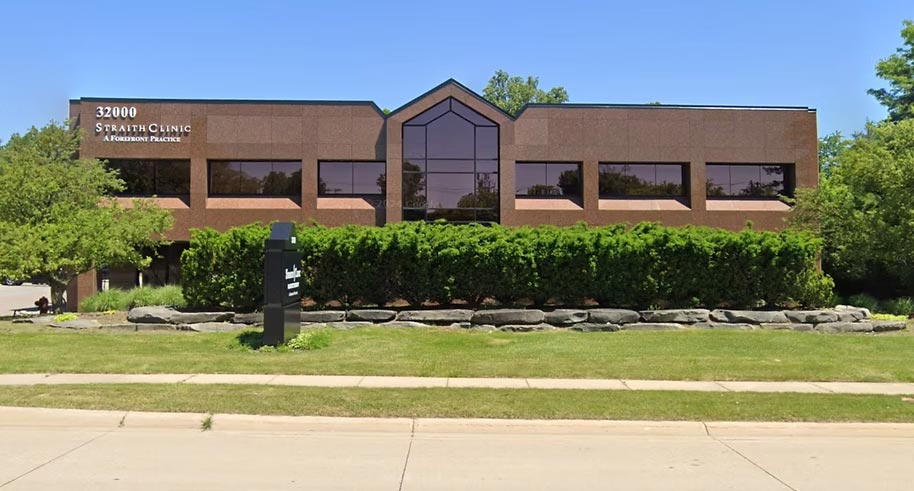
Blood pressure often shifts as weight comes down, which is worth monitoring closely. Macomb County patients are seen at our Sterling Heights clinic on Dequindre Road. Oakland County patients are seen at our Bingham Farms clinic on Telegraph Road.
Explore More