
GLP-1 Therapy · Michigan Weight Loss Institute
Physician-Supervised GLP-1 Treatment in Michigan
FDA-approved therapies. Physician-supervised care. Personalized treatment and ongoing monitoring.
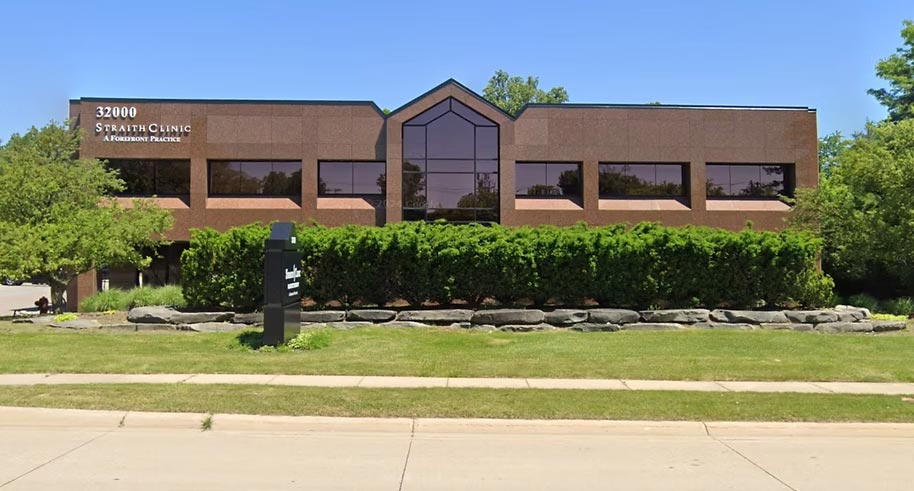
Michigan Weight Loss Institute offers semaglutide (Wegovy) and tirzepatide (Zepbound) as FDA-approved options for chronic weight management. Care is supervised by Rita Kathawa, MD, double board-certified in Internal Medicine and Obesity Medicine. We serve Metro Detroit patients at our Sterling Heights and Bingham Farms locations.

What Are GLP-1 Weight Loss Medications?
GLP-1 stands for glucagon-like peptide-1, a hormone involved in appetite and glucose regulation. GLP-1 receptor agonists activate the same receptor. Effects vary by medication and patient and may include:
- Appetite regulation — may help increase fullness and reduce hunger
- Slowed gastric emptying — food moves through your stomach more slowly, reducing hunger spikes
- Blood sugar regulation — stimulates insulin release in response to meals, supporting metabolic health
In STEP 1, adults with overweight or obesity without diabetes who received semaglutide 2.4 mg plus lifestyle intervention had an average 14.9% reduction in body weight at 68 weeks, compared with 2.4% with placebo. In SURMOUNT-1, adults with obesity or overweight without diabetes who received tirzepatide 15 mg had an average 20.9% reduction at 72 weeks, compared with 3.1% with placebo. These are study averages; individual results vary.
The Two FDA-Approved GLP-1 Medications We Offer
At MWLI, we offer two FDA-approved therapies for chronic weight management. Your physician will determine whether either option is appropriate based on your medical history, current medications, metabolic health, treatment goals, and potential risks.
Semaglutide (Wegovy)
Semaglutide is a GLP-1 receptor agonist. In the STEP 1 trial, adults without diabetes who received semaglutide 2.4 mg plus lifestyle intervention had an average 14.9% reduction in body weight at 68 weeks, compared with 2.4% with placebo. Individual results vary.
Tirzepatide (Zepbound)
Tirzepatide activates both GIP and GLP-1 receptors. In the SURMOUNT-1 trial, adults without diabetes who received the 15 mg dose had an average 20.9% reduction in body weight at 72 weeks, compared with 3.1% with placebo. Individual results vary.
Who Is a Candidate for GLP-1 Therapy?
Eligibility varies by medication and approved indication. Common chronic weight-management criteria include:
- BMI ≥ 30 (obesity), or
- BMI ≥ 27 (overweight) with at least one weight-related condition: Type 2 diabetes, hypertension, high cholesterol, sleep apnea, cardiovascular disease, or MASLD/NAFLD
A complete medical evaluation is required before treatment. Review the FDA prescribing information for Wegovy and Zepbound; your physician will determine whether treatment is appropriate for you.
Other FDA-Approved Weight Loss Medications
GLP-1 therapy is not the right starting point for every patient. Insurance coverage, medical history, tolerance for injections and personal preference all matter. Several non GLP-1 medications remain effective, well studied and more widely covered. Dr. Kathawa prescribes the full range and matches the medication to your medical profile at your consultation.
Phentermine
Lomaira, Adipex-P
Phentermine is one of the longest prescribed weight loss medications and suppresses appetite through the central nervous system. It is the option most frequently covered by insurance. It is typically used short term or alongside another agent.
Mechanism: Appetite suppression, CNS stimulant
Dosing: Daily oral tablet
Average weight loss: 5 to 9 percent
Bupropion and Naltrexone
Contrave
Contrave combines two medications to reduce food cravings and hunger signals in the brain. It works on different pathways than GLP-1 medications, which makes it a useful option for patients who prefer oral therapy or who have not responded well to injections.
Mechanism: Dopamine and opioid receptor modulation
Dosing: Twice daily oral tablet
Average weight loss: 5 to 9 percent
Phentermine and Topiramate
Qsymia
Qsymia pairs phentermine for appetite suppression with topiramate in a single extended release capsule, which produces greater weight loss than either drug alone. It is an effective choice for eligible patients who want to avoid injections.
Mechanism: Appetite suppression with CNS modulation
Dosing: Once daily oral capsule
Average weight loss: 7 to 10 percent
Liraglutide
Saxenda
An earlier GLP-1 agonist given as a daily injection, liraglutide was the first GLP-1 medication approved specifically for weight loss. It remains a clinically valid choice for certain patients and certain insurance situations, and your physician will consider it when appropriate.
Mechanism: GLP-1 receptor agonist
Dosing: Daily injection
Average weight loss: 5 to 8 percent
Medication Comparison
The right medication is determined at your consultation, so this overview is for general orientation only. Your physician will walk you through each option in detail.
| Medication | Type | Avg. weight loss | Dosing | Insurance coverage |
|---|---|---|---|---|
| Tirzepatide | Dual GIP and GLP-1 | 15 to 21% | Weekly injection | Variable, prior authorization often required |
| Semaglutide | GLP-1 | 10 to 15% | Weekly injection | Variable, prior authorization often required |
| Qsymia | Phentermine and topiramate | 7 to 10% | Daily oral | Often covered |
| Contrave | Bupropion and naltrexone | 5 to 9% | Twice daily oral | Often covered |
| Phentermine | Stimulant | 5 to 9% | Daily oral | Most frequently covered |
| Saxenda | GLP-1, daily | 5 to 8% | Daily injection | Variable |
Average weight loss figures are approximate ranges drawn from clinical trial data and individual results vary. Insurance coverage information is general and may not reflect your specific plan.
Benefits Beyond Weight Loss: Metabolic and Cardiovascular Health
- Cardiovascular risk reduction in a specific population — in SELECT, semaglutide 2.4 mg reduced major cardiovascular events by 20% among adults with established cardiovascular disease and overweight or obesity without diabetes.
- Glucose regulation — these medications affect glucose-dependent pathways; monitoring is individualized, especially for patients using diabetes medications.
- Liver and metabolic health — patients with MASLD, MASH, or other liver disease need diagnosis-specific evaluation and monitoring.
- Obstructive sleep apnea — the FDA approved Zepbound for moderate-to-severe obstructive sleep apnea in adults with obesity, used with reduced-calorie nutrition and increased physical activity.

Patients with MASLD, MASH, or other liver disease need individualized evaluation. Michigan Weight Loss Institute’s NAFLD Clinic coordinates weight management with liver and metabolic monitoring when appropriate.
Why Physician Supervision Matters for GLP-1 Weight Loss
At Michigan Weight Loss Institute, every GLP-1 prescription is part of a structured physician-led medical weight loss program — not a standalone telehealth prescription.

- Comprehensive initial evaluation — labs, physical exam, and body composition analysis
- Personalized treatment plan — medication selection and dosing tailored to you
- Dose titration support — gradual increases to minimize side effects
- Ongoing monitoring — regular follow-up visits tracking weight, labs, and metabolic markers
- Nutritional and behavioral guidance — evidence-based lifestyle support
Dr. Kathawa is double board-certified in Internal Medicine and Obesity Medicine — one of the few physician-led obesity medicine practices in Metro Detroit offering this level of specialized care.
What to Expect: Your GLP-1 Treatment Journey
- Initial Consultation — Full medical evaluation with Dr. Kathawa: labs, vitals, body composition, health history.
- Medication Selection & Prescription — Dr. Kathawa recommends semaglutide or tirzepatide based on your profile. Insurance prior authorization assistance included.
- Start Low, Go Slow — Dose increased gradually over several weeks to minimize side effects.
- Regular Follow-Up Visits — Progress reviews, dose adjustments, and behavioral support.
- Sustained Results — Most patients reach meaningful milestones within 3–6 months.
Now accepting new patients at Sterling Heights and Bingham Farms.

Ready to Take the Next Step?

Schedule a consultation with Dr. Kathawa and find out if GLP-1 weight loss medications are right for you. Locations in Sterling Heights and Bingham Farms.
Frequently Asked Questions: GLP-1 Weight Loss Medications in Michigan
What are GLP-1 weight loss medications?
GLP-1 receptor agonists are FDA-approved medications that mimic a hormone your body produces after eating. They reduce appetite, slow gastric emptying, and regulate blood sugar. Two FDA-approved options offered by MWLI are semaglutide (Wegovy) and tirzepatide (Zepbound).
What is the difference between semaglutide and tirzepatide?
Semaglutide activates the GLP-1 receptor, while tirzepatide activates both GIP and GLP-1 receptors. Separate pivotal trials reported average reductions of 14.9% with semaglutide 2.4 mg at 68 weeks and 20.9% with tirzepatide 15 mg at 72 weeks in adults without diabetes. These were not head-to-head trials, so the percentages should not be used as a direct comparison. Medication choice depends on your health profile, risks, and treatment goals.
Are GLP-1 medications available in Michigan?
Yes. MWLI offers FDA-approved semaglutide (Wegovy) and tirzepatide (Zepbound) at our Sterling Heights and Bingham Farms locations, under Dr. Kathawa’s direct supervision.
Who is a candidate for GLP-1 weight loss medication?
Common chronic weight-management criteria include adults with BMI ≥ 30, or BMI ≥ 27 with at least one weight-related condition. Eligibility varies by medication and indication, and a full medical evaluation is required.
How long does it take to see results?
Response timelines vary. Treatment generally begins with a lower dose and is increased gradually based on the product’s prescribing information, tolerability, and clinical response. Your progress is monitored through our comprehensive medical weight loss program.
Do you prescribe compounded semaglutide or tirzepatide?
No. MWLI prescribes only FDA-approved branded medications — Wegovy and Zepbound. We do not offer compounded versions.
Does insurance cover GLP-1 weight loss medications?
Coverage varies by plan. Some commercial plans cover Wegovy or Zepbound with prior authorization. If you have Medicare, our Medicare GLP-1 Bridge Program in Michigan can help you access Wegovy and Zepbound while coverage rules are changing. Medicare Part D does not currently cover these for weight loss alone. Our team helps with benefits verification and manufacturer assistance programs. Contact us for guidance.
Can GLP-1 medications help with fatty liver disease?
Yes. Emerging evidence supports GLP-1 therapy for reducing liver fat in NAFLD/MASLD. Our NAFLD Clinic integrates GLP-1 therapy into a comprehensive metabolic plan.
What are the most common side effects?
Nausea, constipation, or diarrhea — most common during dose escalation and typically temporary. We titrate doses slowly to minimize discomfort.
Where can I get GLP-1 weight loss medications near me in Michigan?
At Michigan Weight Loss Institute in Sterling Heights (Macomb County) and Bingham Farms (Oakland County). Request a consultation to get started.
Last reviewed: August 14, 2026.
Start Your GLP-1 Weight Loss Journey in Michigan
Michigan Weight Loss Institute accepts new patients at our Sterling Heights and Bingham Farms locations. Board-certified physician care. FDA-approved medications. Individualized treatment plans.