
Physician-Led Obesity Medicine
The Medicare GLP-1 Bridge Program in Michigan may help eligible patients access GLP-1 medications for weight management. At Michigan Weight Loss Institute, our team helps Medicare patients understand plan rules, diagnosis documentation, prior authorization needs, and physician-led treatment options.
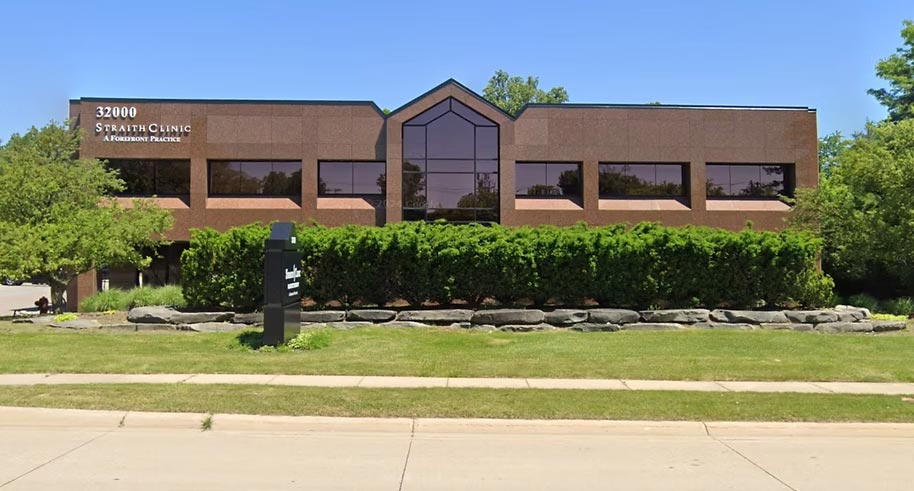
Serving patients in Sterling Heights, Bingham Farms, and throughout Metro Detroit.
Important: We can help review your situation and coordinate documentation when appropriate, but Medicare approval, drug availability, copay amount, and program eligibility are determined by CMS, your plan, pharmacy availability, and current program rules.
What We Can and Cannot Do
We can review your Medicare plan details, medical history, BMI history, diagnosis documentation, medication list, recent labs, prior denial letters, and prior authorization needs.
We cannot guarantee Medicare approval, drug availability, copay amount, pharmacy fill timing, or eligibility for the Medicare GLP-1 Bridge Program. Program rules may change. Our team reviews current CMS and plan criteria at the time of your consultation.
Understanding the Medicare GLP-1 Bridge Program in Michigan
The Medicare GLP-1 Bridge Program is a CMS-related access pathway for certain Medicare beneficiaries who may need GLP-1 medication for weight management. It is different from ordinary pharmacy benefit coverage because it may involve its own eligibility rules, documentation requirements, and prior authorization process.
Because Medicare drug coverage can vary by plan and indication, a careful review matters. Michigan Weight Loss Institute helps patients understand which pathway may apply, what documentation may be needed, and whether GLP-1 therapy is medically appropriate after evaluation by Dr. Rita Kathawa, M.D., M.A., dual board-certified in Internal Medicine and Obesity Medicine.
For general Medicare drug coverage information, patients can review the official Medicare Part D overview and Medicare outpatient prescription drug coverage page.
Why This Matters for Medicare Patients in Michigan
For many years, Medicare patients have had limited access to medications prescribed specifically for weight management. At the same time, obesity is closely linked to chronic conditions such as type 2 diabetes, high blood pressure, heart disease, obstructive sleep apnea, fatty liver disease, and joint problems.
A More Practical Conversation About Access
The Bridge Program may create a new access pathway for some eligible patients, but it does not remove the need for medical evaluation, documentation, plan review, safety screening, and ongoing follow-up. That is where physician-led obesity medicine can help.
How Michigan Weight Loss Institute Supports Medicare GLP-1 Patients
Dr. Kathawa and the MWLI team guide Medicare patients through a medical and coverage review instead of treating GLP-1 medication as a one-step prescription request. The goal is to understand whether treatment is appropriate, which FDA-approved indication may apply, and what documentation the plan or program may require.
What Our Medicare GLP-1 Care Includes
- Medical evaluation with an obesity medicine specialist
- BMI, weight history, and health history review
- Review of cardiovascular disease, sleep apnea, diabetes, hypertension, obesity, fatty liver disease, and other weight-related diagnoses
- Medication reconciliation and contraindication screening
- Review of recent labs or ordering labs when needed
- GLP-1 treatment planning when clinically appropriate
- Medicare coverage and eligibility guidance
- Prior authorization support and documentation coordination
- Prescription coordination when appropriate
- Alternative treatment options if GLP-1 therapy is not appropriate or not covered
You can also learn more about our Medical Weight Loss program to see how physician-supervised treatment fits into long-term metabolic care.
Prior Authorization Support
Dedicated Medicare Coverage Support
Many Medicare patients feel overwhelmed by changing GLP-1 coverage rules, prior authorizations, pharmacy coordination, and eligibility questions. Our team helps patients organize the next steps and understand what information may be needed.

Nicole Lafave
Prior Authorization Specialist
Meet Nicole, Your Medicare GLP-1 Guide
Nicole works closely with our clinical team to support patients as they navigate Medicare coverage questions. She can help with:
- Questions about Medicare GLP-1 coverage pathways
- Insurance and prior authorization questions
- Prescription coordination updates
- Pharmacy communication
- Documentation requests
- Next steps after consultations
- General patient support throughout the process
Questions About Medicare GLP-1 Coverage?
Our team can help you understand what information may be needed before a prescription or prior authorization is considered.
Does Medicare Cover Wegovy in Michigan?
Medicare coverage for Wegovy depends on the reason it is prescribed, your Part D or Medicare Advantage drug plan rules, current program criteria, and the documentation available in your medical record. Some patients may have a weight-management pathway, while others may need review for a different FDA-approved indication or plan-specific requirement.
During your consultation, our team may review BMI history, weight-related diagnoses, cardiovascular history, prior denials, medication history, and the plan’s current prior authorization criteria. Approval is never automatic.
Does Medicare Cover Zepbound?
Zepbound coverage may follow different pathways depending on the FDA-approved indication, plan rules, diagnosis, and documentation. In addition to chronic weight management, the FDA approved Zepbound for moderate-to-severe obstructive sleep apnea in adults with obesity, when used with a reduced-calorie diet and increased physical activity.
If sleep apnea, cardiovascular disease, diabetes, fatty liver disease, hypertension, or obesity-related complications are part of your history, bring that documentation to your visit. The correct coverage pathway depends on the actual diagnosis and supporting records, not simply interest in medication.
GLP-1 Medications That May Be Included in a Medicare Coverage Review
A Medicare GLP-1 review may involve FDA-approved medications used for chronic weight management or other approved indications. Examples include:
Wegovy® (semaglutide)
Wegovy is a once-weekly GLP-1 medication approved for chronic weight management in qualifying adults. Learn more about semaglutide.
Zepbound® (tirzepatide)
Zepbound is a once-weekly GIP/GLP-1 medication approved for chronic weight management in qualifying adults and for certain adults with obesity and moderate-to-severe obstructive sleep apnea. Learn more about tirzepatide.
Medication availability, formulation coverage, and eligibility can change. Our team reviews current criteria during your consultation.
Who May Benefit From a Medicare GLP-1 Consultation
Not every patient is a candidate, but the following patients may benefit from speaking with our team:
What Documentation May Be Needed for GLP-1 Prior Authorization?
Prior authorization requirements vary by plan and indication. Depending on your situation, useful documentation may include:
- Current height, weight, and BMI
- Baseline weight and BMI before GLP-1 therapy, if you previously used medication
- Weight-related diagnoses such as obesity, hypertension, sleep apnea, diabetes, cardiovascular disease, or fatty liver disease
- Medication history and prior treatment attempts
- Recent labs, imaging, sleep study reports, cardiology notes, or liver-related records when relevant
- Prior authorization denial letters or pharmacy rejection messages
- Current Medicare Part D or Medicare Advantage drug plan information
What to Bring to Your Medicare GLP-1 Visit
To make your consultation more productive, please bring:
- Your Medicare card
- Your Part D or Medicare Advantage drug plan information
- Your current medication list, including supplements
- Recent lab results, if available
- Prior denial letters, pharmacy messages, or prior authorization notices
- Records related to cardiovascular disease, sleep apnea, diabetes, hypertension, obesity, fatty liver disease, or other weight-related diagnoses
- Your current pharmacy information
What to Expect at Your Medicare GLP-1 Visit
During a consultation at our Sterling Heights or Bingham Farms office, we typically:
- Review your medical history
- Complete a weight and BMI evaluation
- Review labs or order new labs if needed
- Discuss medication options and whether GLP-1 therapy is appropriate
- Review safety, side effects, contraindications, and medication interactions
- Discuss coverage pathways and documentation needs
- Build a personalized treatment plan tailored to your health goals
Medication decisions are made after a complete medical evaluation. Every recommendation reflects your health history, risks, goals, and coverage situation.
Official Resources for Patients
These official resources may help patients understand Medicare drug coverage and GLP-1 medication safety:
Important Coverage Disclaimer
Michigan Weight Loss Institute cannot guarantee Medicare coverage, medication approval, pricing, pharmacy availability, copay amount, or eligibility for the Medicare GLP-1 Bridge Program. Coverage and access depend on CMS requirements, Medicare plan rules, medication availability, diagnosis, medical history, prior authorization criteria, and individual patient factors. Program details may change.
Frequently Asked Questions About the Medicare GLP-1 Bridge Program
What is the Medicare GLP-1 Bridge Program?
It is a CMS-related access pathway that may help certain eligible Medicare beneficiaries access GLP-1 medications during a temporary bridge period. Eligibility depends on current program rules, plan requirements, medical history, and documentation.
Does Medicare cover Wegovy for weight loss?
Coverage depends on your Medicare drug plan, current CMS or program criteria, the FDA-approved indication, and your medical documentation. Some patients may qualify through a weight-management pathway, while others may need review under another indication or plan-specific process.
Does Medicare cover Zepbound?
Zepbound coverage depends on plan rules, CMS guidance, diagnosis, FDA-approved indication, and individual eligibility. Zepbound may have different coverage pathways for chronic weight management and for moderate-to-severe obstructive sleep apnea in adults with obesity.
Who qualifies for the Medicare GLP-1 Bridge Program?
Eligibility depends on current program criteria, your Medicare drug coverage, your BMI and weight history, your medical diagnoses, and whether the required documentation is available. Our team reviews current criteria at the time of your consultation.
Eligibility, Prescriptions, and Next Steps
Do I need a prescription?
Yes. GLP-1 medications are prescription-only. Medication decisions are made after a medical evaluation with a qualified physician.
Can Michigan Weight Loss Institute help me apply?
Yes. Our team can help with documentation, coordination, and prior authorization support when appropriate.
Is GLP-1 medication safe for older adults?
GLP-1 medications may be appropriate for some older adults, but suitability is determined individually. Dr. Kathawa reviews medical history, medications, kidney function, gastrointestinal risks, nutrition status, muscle preservation, and other factors before recommending therapy.
What if I do not qualify?
MWLI offers a range of medical weight loss approaches. If GLP-1 therapy is not appropriate or not covered, Dr. Kathawa can discuss other treatment options with you.
Do you see patients from Sterling Heights and Bingham Farms?
Yes. Our offices are located in Sterling Heights and Bingham Farms, and we serve patients throughout Metro Detroit, Macomb County, and Oakland County.
How do I schedule a consultation?
You can request an appointment online or call our office at (586) 287-7330. Our team will help you find a convenient time at our Sterling Heights or Bingham Farms location.
Serving Medicare Patients Across Metro Detroit
Michigan Weight Loss Institute serves Medicare patients from across Southeast Michigan. Our Sterling Heights office welcomes patients from Warren, Shelby Township, Macomb, and throughout Macomb County. Our Bingham Farms location serves patients in Troy, Birmingham, Bloomfield Hills, Rochester Hills, Royal Oak, and across Oakland County.
Whether you live in Metro Detroit’s eastern or western suburbs, Dr. Rita Kathawa and our team can help you understand your Medicare GLP-1 options and develop a treatment plan that supports long-term health. You can also view our locations for directions and hours.
Get Help Understanding Your Medicare GLP-1 Options
If you are a Medicare patient interested in GLP-1 medication for weight management, our team can help you understand your options and determine whether medical weight loss treatment may be appropriate for you.