
By the clinical team at Michigan Weight Loss Institute. Medically reviewed by Rita Kathawa, MD, dual board-certified in Internal Medicine and Obesity Medicine.
Weight loss peptides like semaglutide and tirzepatide have changed how physicians in Michigan and across the country treat obesity. However, they have also generated more online misinformation than almost any medication class in recent memory. At Michigan Weight Loss Institute, our patients often arrive with questions shaped by social media, neighbors, or well-meaning family. In short, the truth is rarely as simple as a headline.
Weight Loss Peptides in Michigan: What This Guide Covers
This guide separates the five most common myths about GLP-1 weight loss medications from the facts. Specifically, these are the questions we hear every day in our Sterling Heights and Bingham Farms clinics. Whether you are considering a consult or simply doing your research, we want you to have accurate, physician backed information first.
Myth 1: “They’re Just a Shortcut for People Who Won’t Put in the Work”
The truth: Obesity is a chronic medical condition, not a willpower problem. GLP-1 medications work on the biology of hunger, satiety, and metabolism. In other words, calling that a shortcut is like calling insulin a shortcut for diabetes.
Decades of research show that hormones, neural signals, and metabolic pathways regulate body weight. In fact, your brain defends a setpoint, which is one reason diets so often fail long term. GLP-1 receptor agonists work at the biological level. As a result, they influence hunger signals, gastric emptying, and insulin response. Medicine exists to treat medical conditions, and obesity is one of them.
At MWLI, medication is one tool inside a comprehensive plan. Furthermore, our patients work alongside a physician and physician assistant. Every visit also includes behavior modification, nutrition guidance, and clinical monitoring.
Myth 2: “Once You Start, You’re on Them Forever”
The truth: We individualize every treatment plan. Some patients taper off after reaching their goals. Others benefit from longer term support, much like patients on blood pressure or cholesterol medication. We build the plan around you.
Treatment length depends on the patient, not the medication. For example, some patients reach their goals and taper off successfully with sustained behavior changes. Others benefit from longer term maintenance. This is similar to how many people stay on blood pressure medication without anyone calling it a failure. Because obesity is a chronic condition, it sometimes requires ongoing management. Therefore, we revisit your plan often, adjust as your body responds, and explain what to expect at every stage.
Myth 3: “Peptides Destroy Your Muscle Mass”
The truth: Any rapid weight loss can cost muscle if you ignore nutrition and strength training. However, our behavior modification program, led by Stephanie Shaheen, PA-C, protects lean mass through structured protein, resistance training, and sleep hygiene.
Muscle loss is a real concern with any significant weight reduction. This applies whether the loss comes from surgery, extreme dieting, or medication. What matters is how you build the plan. At MWLI, we specifically design our behavior modification program to protect lean mass while patients lose fat. In addition, every plan includes structured protein targets, resistance training recommendations, and sleep hygiene. You should not lose weight in a way that leaves you weaker, more fragile, or more likely to regain.
Myth 4: “A Peptide Is a Peptide, Right?”
The truth: The FDA has approved semaglutide and tirzepatide. However, many peptides circulating online are not regulated. As a result, they carry no verified standards for purity, potency, or dosing. At MWLI, a physician supervises every prescription, and our on site pharmacy vets each one.
The online peptide market has exploded, and much of it operates outside regulated channels. For example, products sold as research chemicals, shipped from overseas, or mixed by unlicensed compounders may have no verified purity. In other words, you have no way to know what is actually in the vial. By contrast, FDA approved GLP-1 medications come from manufacturers held to strict standards, with every dose consistent with the last. Furthermore, with expanded FDA peptide access expected later this year, we will continue adding new tools the right way. Not all peptide sources are equal. Ours are.
Myth 5: “Peptides Are Always Safe and Effective”
The truth: Peptides are signaling molecules that set off cascades in the body. As Dr. Kathawa puts it, “You don’t want to turn on the wrong cascade, like carcinogenesis. So we have to be very careful with them.” Therefore, a board certified physician belongs between you and any peptide protocol.
Peptides trigger biological cascades, and those cascades deserve respect. For instance, your personal history, family history of thyroid cancer or pancreatic disease, current medications, and goals all factor into whether a given peptide fits you. What is safe and effective for one patient may not be right for another. In short, that individualized clinical judgment separates a legitimate medical practice from a website selling something in a vial.
Frequently Asked Questions
What are GLP-1 weight loss medications?
GLP-1 receptor agonists mimic a hormone your body naturally produces after eating. Specifically, they slow gastric emptying, reduce hunger, increase satiety, and improve insulin response. Semaglutide (Ozempic, Wegovy) and tirzepatide (Mounjaro, Zepbound) are the most commonly prescribed options.
How long do patients stay on weight loss peptides at MWLI?
We fully individualize duration. For example, some patients taper off after reaching their goals and maintain results with behavior change. Others stay on a maintenance dose longer term, similar to medications for blood pressure or cholesterol. We review and adjust your plan at every visit.
Will I lose muscle on GLP-1 medications?
Any form of rapid weight loss can cost muscle when nutrition and training fall short. However, our behavior modification program, led by Stephanie Shaheen, PA-C, protects lean mass through structured protein, resistance training, and sleep hygiene.
Are all peptides the same?
No. The FDA has approved semaglutide and tirzepatide, and manufacturers produce them under strict standards. By contrast, many peptides sold online are unregulated. As a result, they carry no verified purity, potency, or sterility. At MWLI, a physician supervises every prescription, and our on site pharmacy vets each one.
Where is Michigan Weight Loss Institute located?
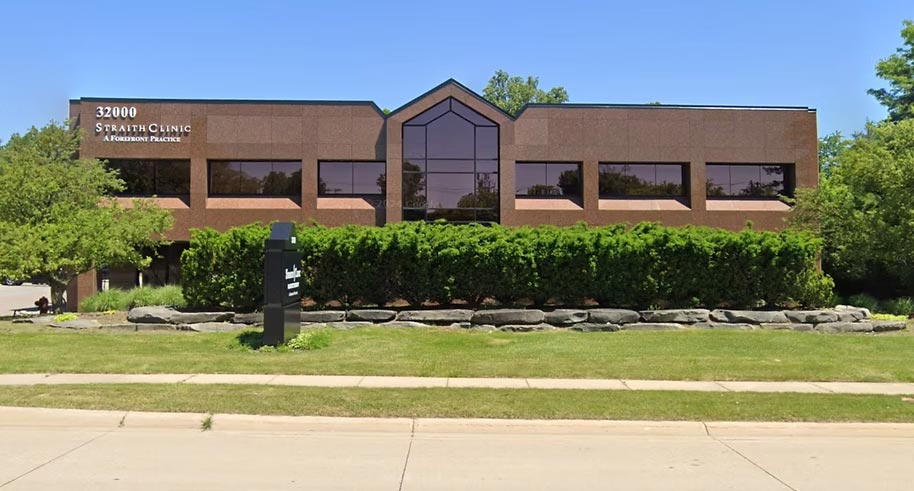
MWLI has two metro Detroit locations. Our Sterling Heights office is at 41400 Dequindre Rd, Ste 105, Sterling Heights, MI 48314. In addition, our Bingham Farms office is at 32000 Telegraph Road, Bingham Farms, MI 48025. Both offer physician led medical weight loss with on site pharmacy access.
Who leads the clinical team at MWLI?
Dr. Rita Kathawa, a dual board certified physician in Internal Medicine and Obesity Medicine, leads the clinical team. In 2024, she earned recognition as a Top Obesity Medicine Specialist. Furthermore, Hour Detroit Magazine featured her as The Face of Weight Management. Stephanie Shaheen, PA-C directs the behavior modification program.
Ready for Real Medicine, Real Support, and Real Results?
Book a consult with Dr. Rita Kathawa and our obesity medicine team. Together, we build personalized weight loss plans that combine the right medication, the right behavior strategy, and a team that treats you as a whole person.
Sterling Heights: 41400 Dequindre Rd, Ste 105, Sterling Heights, MI 48314
Bingham Farms: 32000 Telegraph Road, Bingham Farms, MI 48025
Phone: (586) 287-7330
This article is for educational purposes only and does not constitute medical advice. GLP-1 receptor agonists are prescription medications that carry risks and contraindications, including a boxed warning regarding thyroid C cell tumors. Always consult a qualified physician before starting any weight loss medication or peptide protocol.